Federal Circuit and Family Court of Australia: Indigenous Family Liaison Officers
Brief
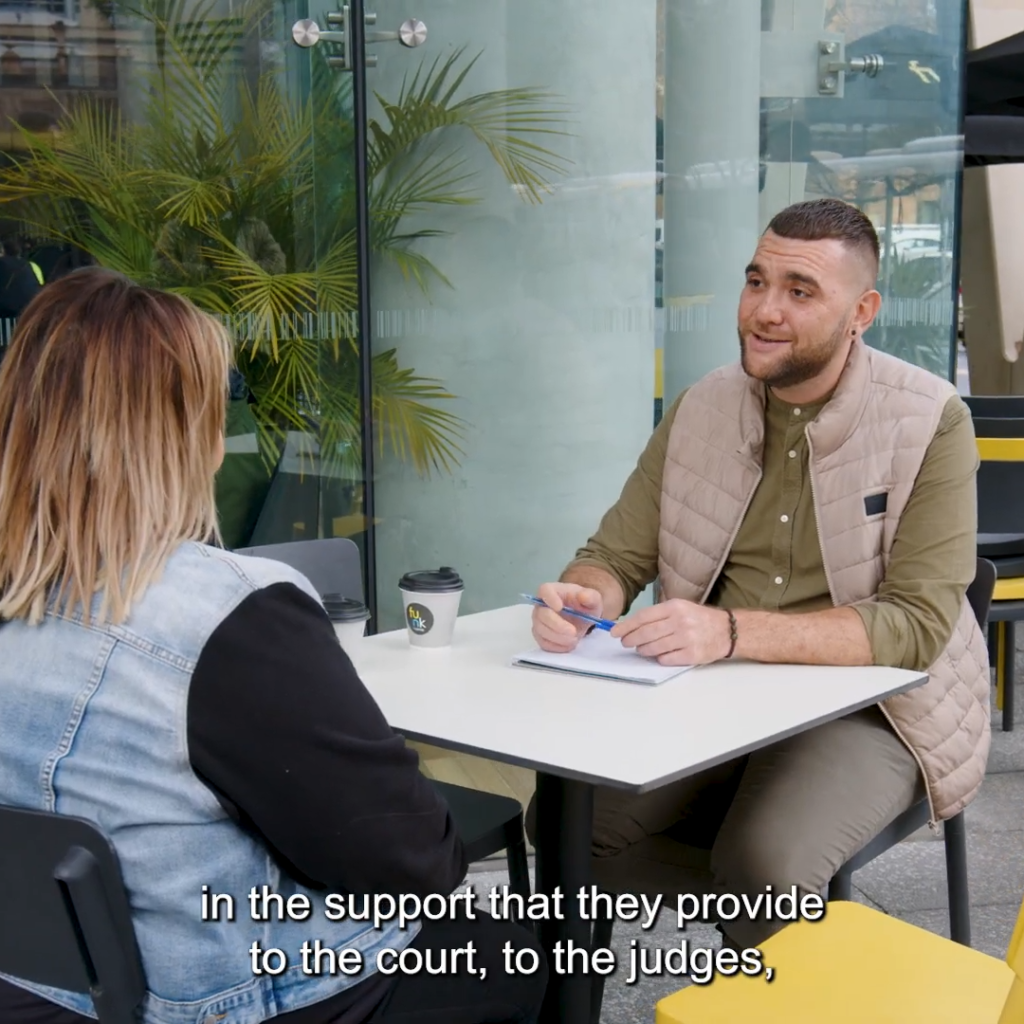
The Federal Circuit and Family Court of Australia partnered with Campfire x to create a video series about Indigenous Family Liaison Officers (IFLOs).
The project aims to:
- Build Trust: Address historical mistrust and the “daunting” nature of the legal system for First Nations people.
- Improve Access: Explain how IFLOs help Aboriginal and Torres Strait Islander families navigate complex family law disputes.
- Ensure Safety: Highlight how a “First Nations lens” provides cultural safety and support for at-risk families.
Idea
After investigating the experiences of First Nations litigants, Campfire x developed a concept to humanize the court through authentic storytelling.
Key features of the project include:
Key features of the project include:
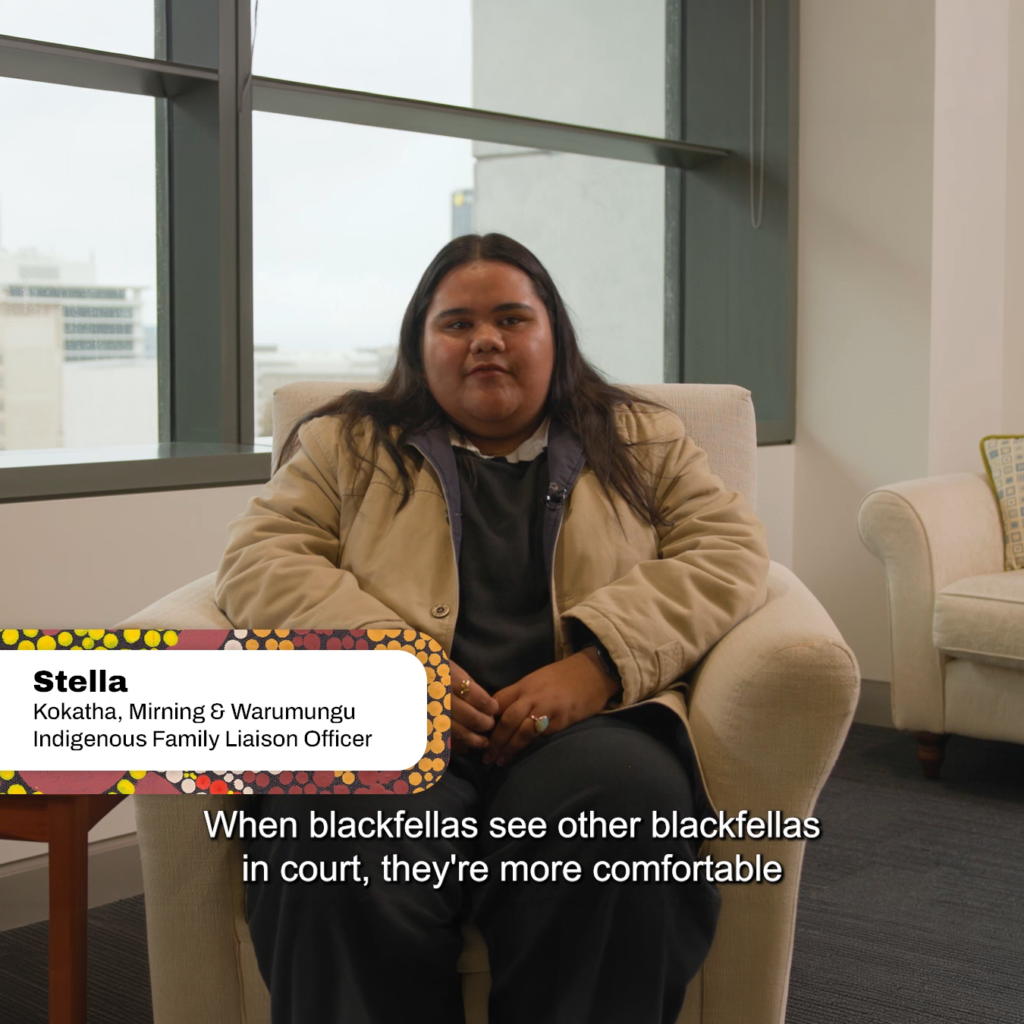
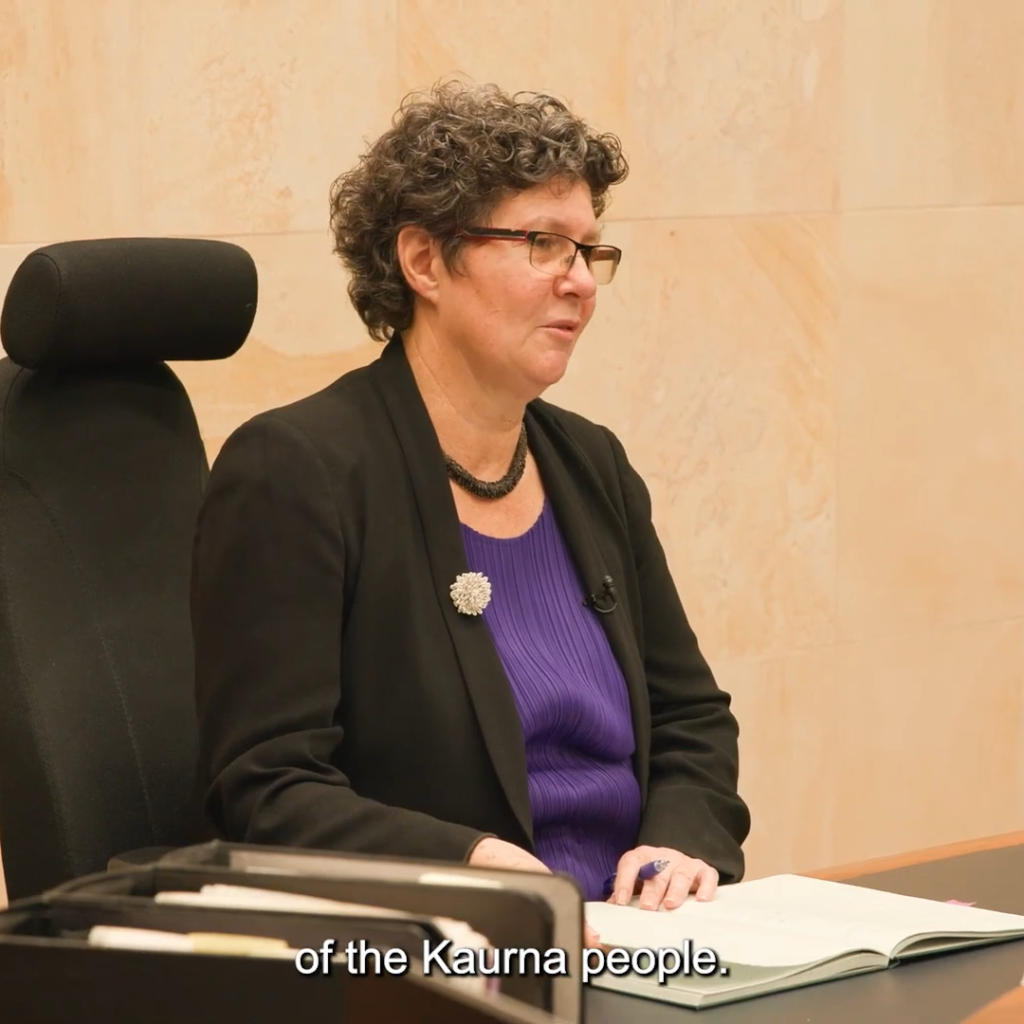
- Real Voices: IFLOs like Kirsty and Dwayne, along with judicial officers, explain vital support systems like the Specialist Indigenous List.
- Cultural Connection: The messaging emphasizes the unique understanding First Nations people share, fostering a more respectful environment.
- Child-Focused Outcomes: By bridging the gap between families and the court, the project promotes a safer venue for resolving sensitive disputes.
Execution
The production was filmed mainly in Adelaide, with key Indigenous Family Liaison Officers from around the country flown in to take part.
- Methodology: Campfire x prioritised a collaborative approach with the IFLOs, ensuring they felt empowered to explain their dual pillars of court work and community engagement.
- Visual Storytelling: A key production step involved showcasing the “Indigenous specific courtroom” designed in the round. This was used to visually demonstrate a move away from standard hierarchical courtroom designs toward a less intimidating and more welcoming space.
- Cultural Safety: The team captured the importance of face-to-face engagement and referrals to social supports, highlighting how the role is “more than a job” but a commitment to families and children.
Outcome
The project has served as a critical educational tool for both the community and the legal sector:
- Placement: The content has been featured across the Federal Circuit and Family Court of Australia’s digital platforms and utilized in community engagement sessions.
- Impact on Justice: The project resulted in greater visibility for the Specialist Indigenous List and the referral services provided by IFLOs, contributing to a “greater access to justice” for First Nations litigants.
- Broader Influence: By showcasing successful outcomes—such as families reconnecting with grandchildren—the project has inspired a more “uplifting” perception of the family law system, encouraging families to actively play their role in shaping decisions about their children.